ADAS Calibration After Windscreen Replacement
A new windscreen means nothing if your ADAS camera hasn't been recalibrated — here's why it matters.
Modern vehicles rely on cameras and sensors mounted to the windscreen to power safety features like automatic emergency braking, lane departure warning, forward collision alerts, and adaptive cruise control. These systems are collectively known as ADAS — Advanced Driver Assistance Systems. When a windscreen is replaced, even the slightest shift in camera position can throw these systems out of alignment, putting you and other road users at risk.
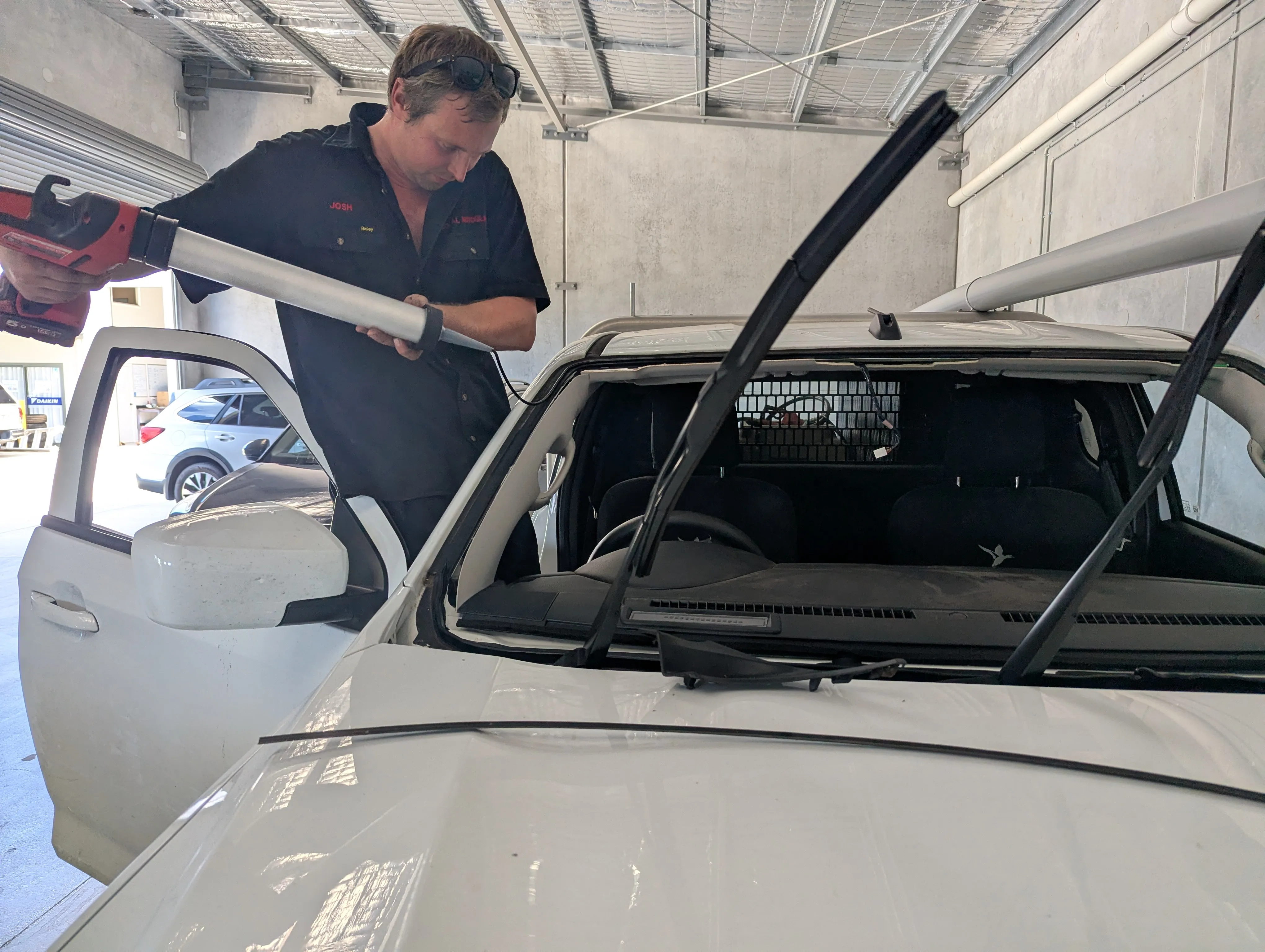
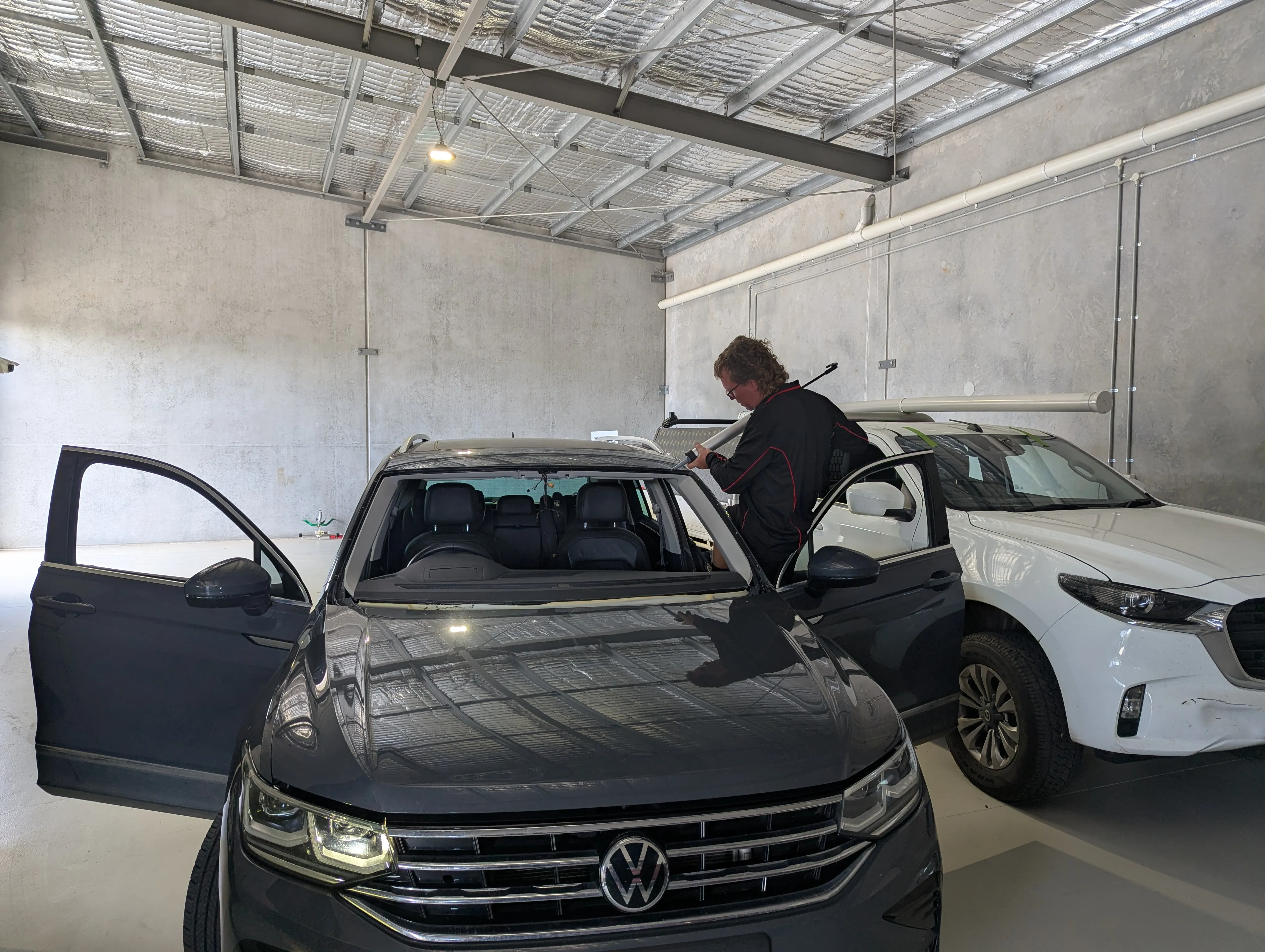
At Local Autoglass, we use specialised calibration equipment and follow manufacturer procedures to recalibrate your ADAS camera to factory specifications after every windscreen replacement. Skipping this step can cause your vehicle to misjudge distances, miss hazards, or trigger false warnings — none of which you want happening at 100 km/h on the Pacific Highway.
So what exactly happens during an ADAS calibration? There are two main types: static calibration and dynamic calibration.
Static calibration is performed in a controlled environment — typically a workshop or flat, level surface. A calibration target (a specific pattern board) is positioned at a precise distance and angle in front of the vehicle's camera. The calibration equipment then communicates with the vehicle's onboard computer to realign the camera to the manufacturer's specifications. This process usually takes between 30 minutes and an hour, depending on the vehicle.
Dynamic calibration is done by driving the vehicle on a stretch of road at a specific speed — usually between 60 and 100 km/h — for a set distance while the system recalibrates itself using road markings and the surrounding environment. Some vehicles require a static calibration first, followed by a dynamic calibration drive to complete the process.
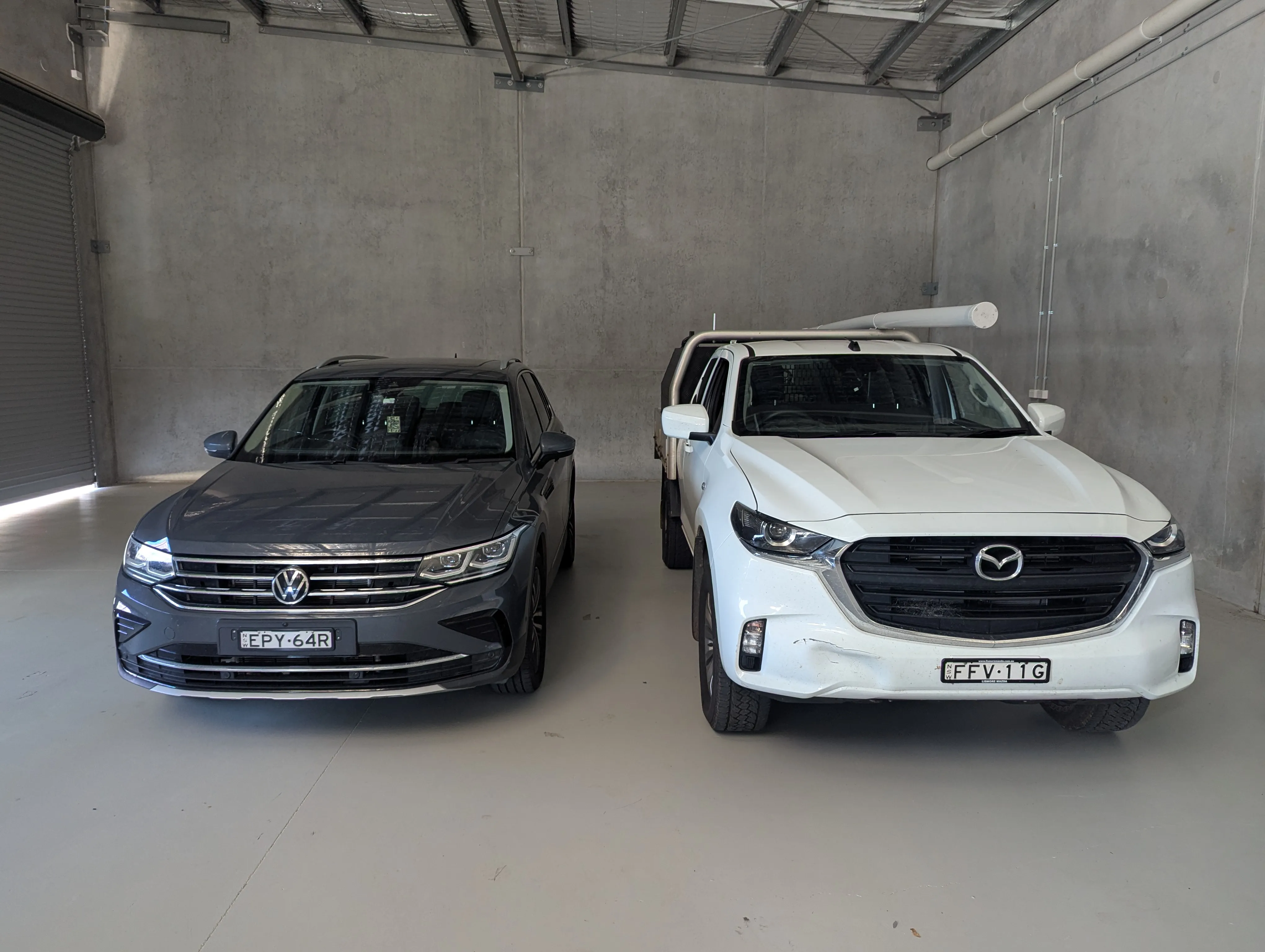
Which type your vehicle needs depends on the make and model. Toyota, Mazda, Subaru, Honda, Hyundai, Kia, Volkswagen, and most other major brands now fit ADAS cameras to their newer models. If your vehicle was built after 2015 and has features like lane keep assist or automatic emergency braking, it almost certainly has an ADAS camera mounted to the windscreen. Some vehicles — particularly European brands like BMW, Mercedes, and Audi — may require both static and dynamic calibration.
One of the most common questions we get is: "Do I really need ADAS calibration after a windscreen replacement?" The short answer is yes — every time. Even though the new windscreen might look identical to the old one, the camera mounting position can shift by fractions of a millimetre during the replacement process. That tiny shift translates to significant misalignment at distance. A camera that's off by just one degree can be looking at a completely different spot 50 metres down the road.
Not every auto glass business offers ADAS calibration — many will replace the windscreen and send you to a dealer for the calibration, which means extra time and cost. At Local Autoglass, we handle both the replacement and the calibration in one visit, so you're not running around between workshops.
If you've recently had a windscreen replaced and aren't sure if your ADAS was recalibrated, or if you've noticed your lane departure warning behaving strangely or your adaptive cruise control not responding as expected, contact Local Autoglass on 0466 140 195 for a professional calibration you can trust.
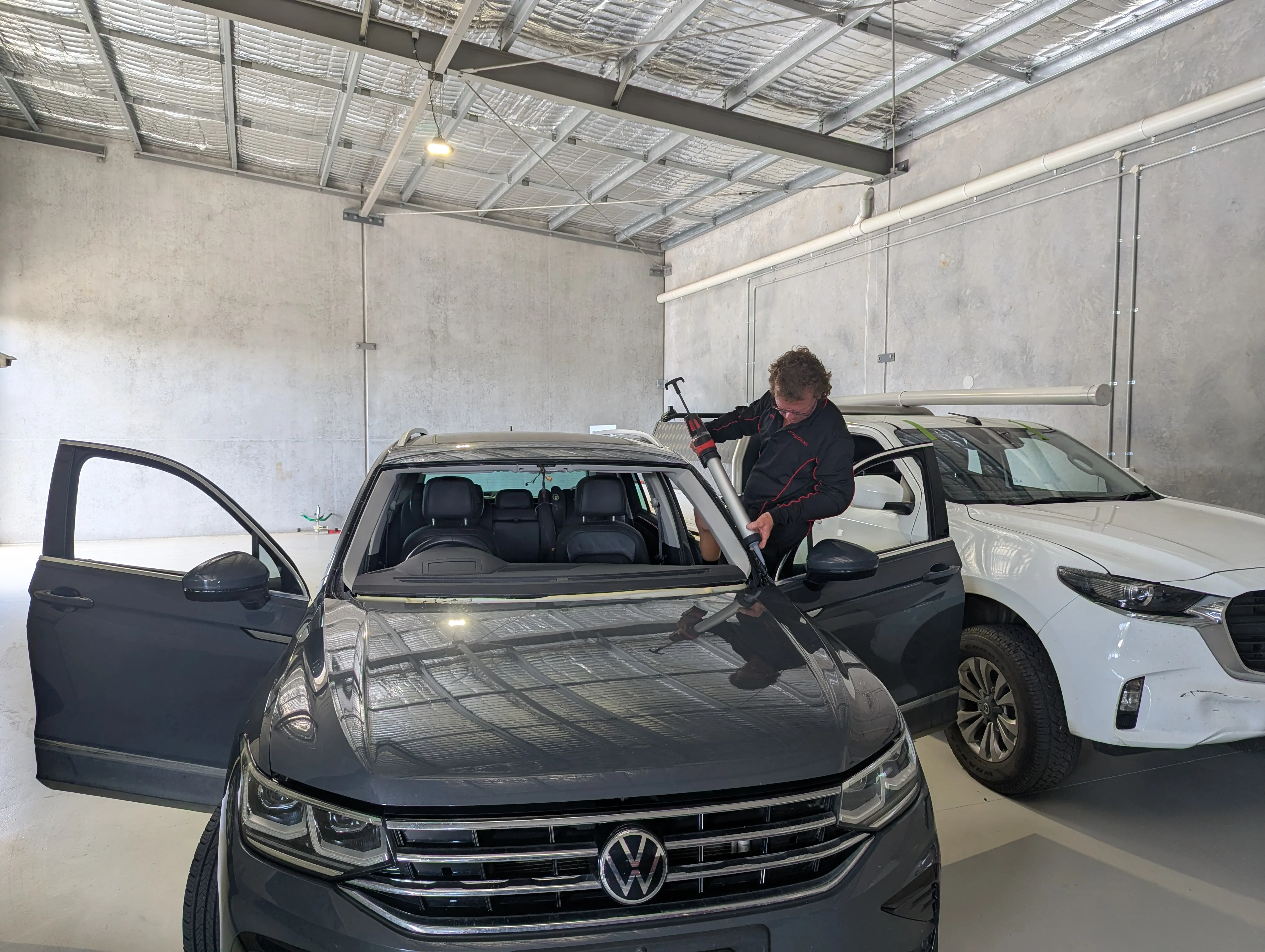
Job Photos

Nigel Swift
Founder & Lead Technician — 35+ years experience
Nigel runs Local Auto Glass from Lismore, servicing the entire Northern Rivers. Licensed (MVRL63433), fully insured, and backed by a lifetime workmanship guarantee. Learn more